
Best CMS for Small Businesses in Australia 2026
Complete guide to choosing the right CMS for Australian small businesses in 2026. Compare WordPress, Shopify, Umbraco, Wix, Squarespace and headless options with pros, cons, and pricing.

What Small Businesses in Australia Need from a CMS
Small businesses in Australia need more than just a website builder — they need a platform that supports growth.
Key requirements include:
- Easy content management
- Strong SEO capabilities
- Fast performance
- Scalability
- Security and compliance
- Integration with business tools
A CMS should support both today's needs and future growth.
Top CMS Platforms for Small Businesses in Australia
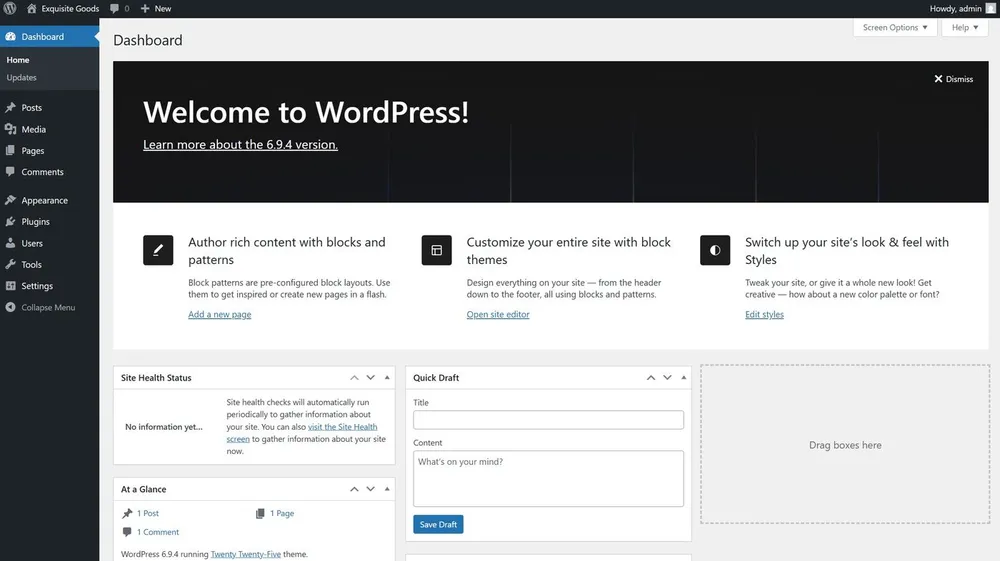
WordPress
WordPress is one of the most popular CMS platforms globally and is widely used by small businesses.
Pros:
- Easy to get started
- Large plugin ecosystem
- Affordable
Cons:
- Plugin dependency can affect performance
- Requires maintenance
- Can become complex over time
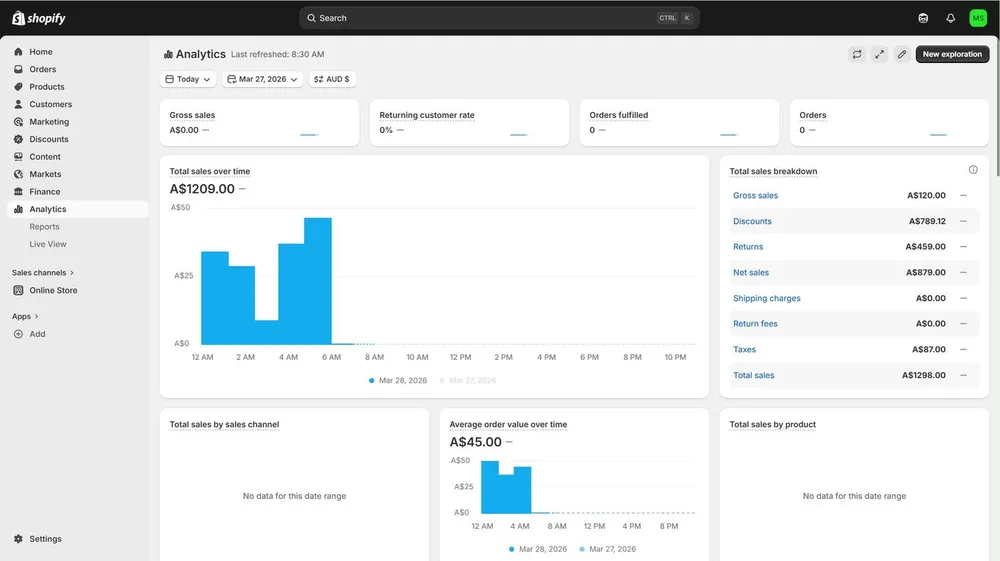
Shopify (for eCommerce)
Shopify is ideal for businesses focused on selling products online.
Pros:
- Easy setup
- Built-in eCommerce tools
- Reliable hosting
Cons:
- Monthly costs
- Limited flexibility
- Customisation can be expensive
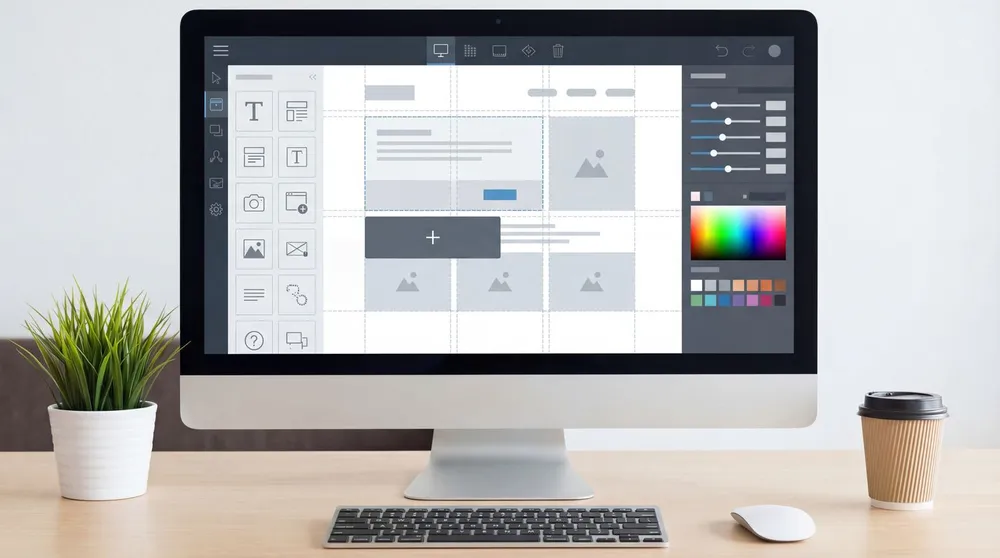
Wix / Squarespace
These platforms are designed for simplicity and quick launches.
Pros:
- Very easy to use
- Fast setup
- No technical skills required
Cons:
- Limited scalability
- Restricted SEO control
- Difficult to migrate
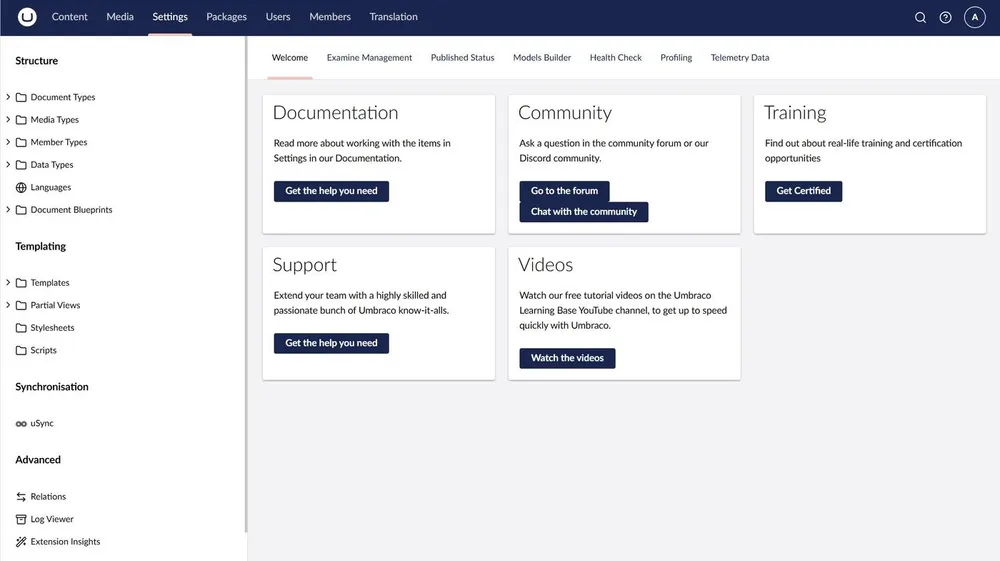
Umbraco
Umbraco is a powerful CMS that offers flexibility and performance for growing businesses.
Pros:
- Highly customisable
- Clean editing experience
- Strong performance and security
- No licensing cost
- Great for integrations
Cons:
- Requires development expertise
- Slightly longer setup time
Umbraco stands out for businesses that want long-term scalability without being locked into rigid platforms.

Headless CMS
Headless CMS platforms provide advanced flexibility by separating backend and frontend.
Pros:
- Highly scalable
- API-driven
- Future-ready
Cons:
- Complex setup
- Higher cost
- Requires developers
CMS Comparison
Platform Comparison Overview
| CMS | Ease of Use | Scalability | Cost | Flexibility |
|---|---|---|---|---|
| WordPress | High | Medium | Low–Medium | Medium |
| Shopify | High | Medium | Medium–High | Low |
| Wix/Squarespace | Very High | Low | Medium | Low |
| Umbraco | Medium | High | Low | High |
| Headless CMS | Low | Very High | High | Very High |
This comparison highlights an important pattern: platforms that are easy to start with are not always the best for long-term growth.

Choosing the Right CMS
Starting small → WordPress or Wix
eCommerce → Shopify
Growth-focused → Flexible CMS like Umbraco
Advanced solutions → Headless CMS
The key is choosing a CMS that won't limit your business as it grows.

Why Scalability Matters
Many businesses face issues like:
- Slow performance
- SEO limitations
- Integration challenges
A scalable CMS helps avoid costly rebuilds and supports long-term growth.
Final Thoughts
Choosing the right CMS is about balancing ease of use today with flexibility for tomorrow.
For many Australian small businesses, a platform like Umbraco offers that balance — without locking you into limitations.
Get Expert CMS Consultation
Our team specialises in helping Australian businesses choose and implement the right CMS solution for their needs and growth plans.

Make an appointment for a consultation