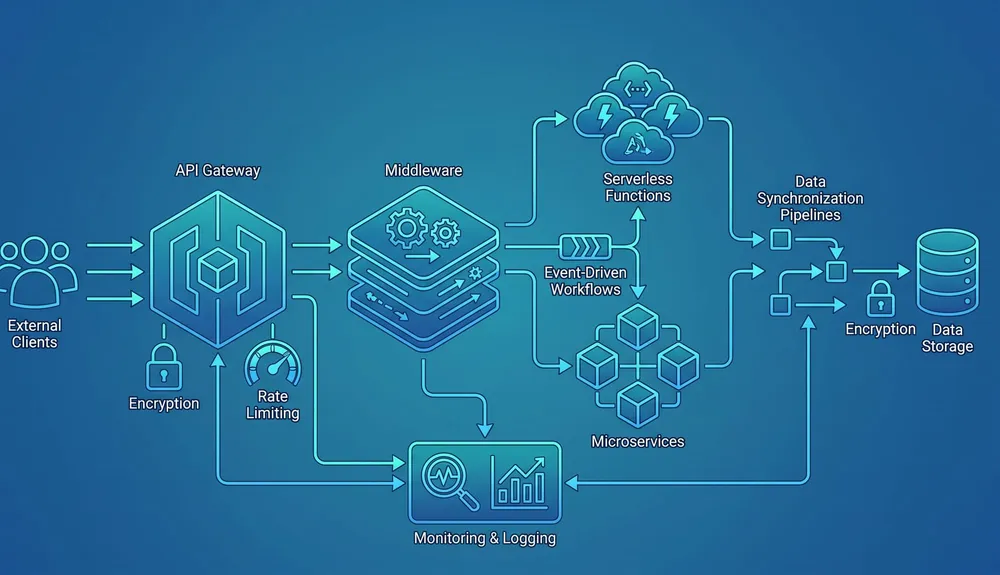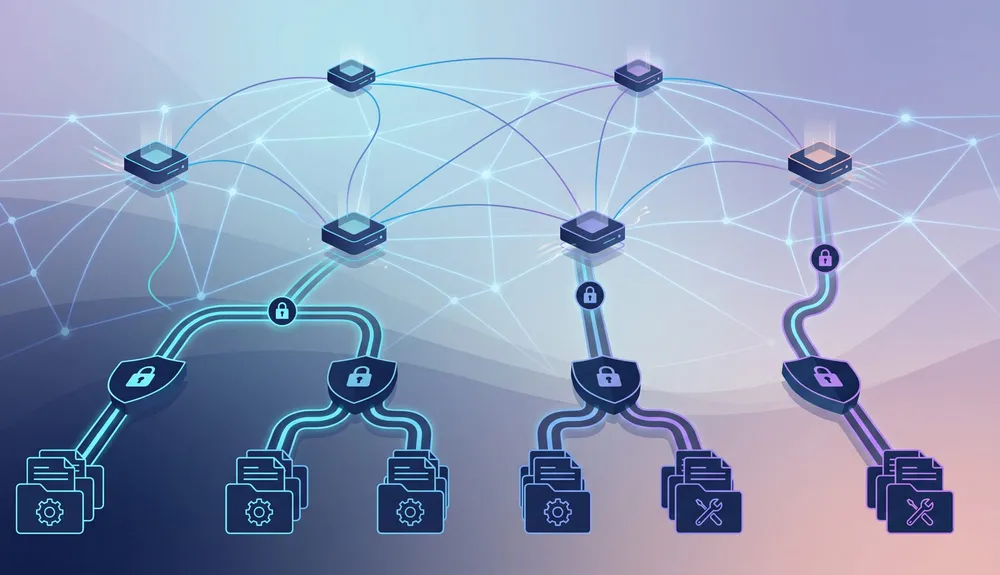
Independent AI agents exchanging tasks while MCP connectors provide access to business data and tools

A2A vs MCP: The New Standards Making AI Agents Work Together

MCP connects AI applications to business systems, while A2A helps independent agents collaborate. This guide explains how they fit together and how to design a flexible, provider-neutral AI architecture.

Australian commerce team preparing product data APIs and checkout systems for AI shopping agents

Agentic Commerce Is Coming: Is Your eCommerce Platform Ready for AI Shoppers?

Learn how to prepare Shopify, commercetools, or Adobe Commerce for AI shopping agents with structured data, APIs, UCP, MCP, and checkout controls.

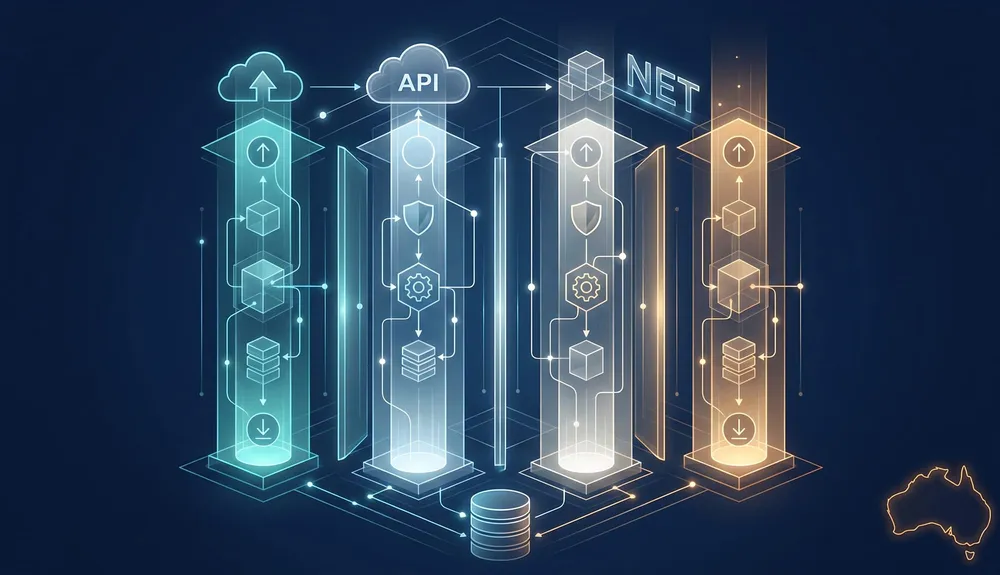
Vertical Slice Architecture in .NET showing feature-based request paths and independent use-case slices

Vertical Slice Architecture in .NET

Learn how Vertical Slice Architecture works in .NET, how to structure feature folders, which libraries to use, how to test slices, and how to avoid duplicated business logic.

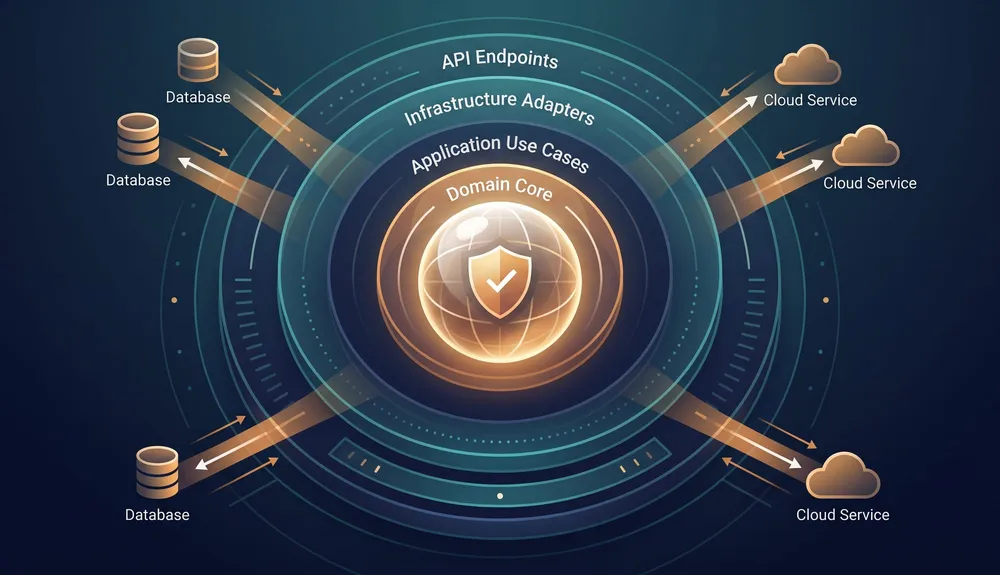
Onion Architecture in .NET showing domain application infrastructure and presentation layers

Onion Architecture in .NET: Layers and Libraries

Learn how Onion Architecture works in .NET, which layers and components to use, and how EF Core, MediatR, FluentValidation, Scrutor, specifications, mapping, messaging, and observability fit around the domain core.

Small business website with an AI assistant helping customers, qualifying leads and booking appointments

AI Agents for Small Business Websites: How to Turn Your Website into a 24/7 Customer Assistant

Learn how AI agents can help small business websites answer questions, qualify leads, book appointments, connect to CRM systems and improve customer experience while keeping privacy, security and human oversight in place.
AI-ready service page dashboard showing trusted source signals for AI search tools

AI-Ready Service Pages: How to Turn Your Website into the Source AI Tools Trust

Learn how to make service pages AI-ready with clear answers, proof, schema, local trust signals, crawler access, internal links and measurement.
AI search reputation dashboard showing Google AI, ChatGPT and Copilot describing a business accurately

AI Search Reputation: How to Control What Google AI, ChatGPT and Copilot Say About Your Business

Improve AI search reputation across Google AI Overviews, ChatGPT Search and Microsoft Copilot with clearer content, schema, local SEO and monitoring.
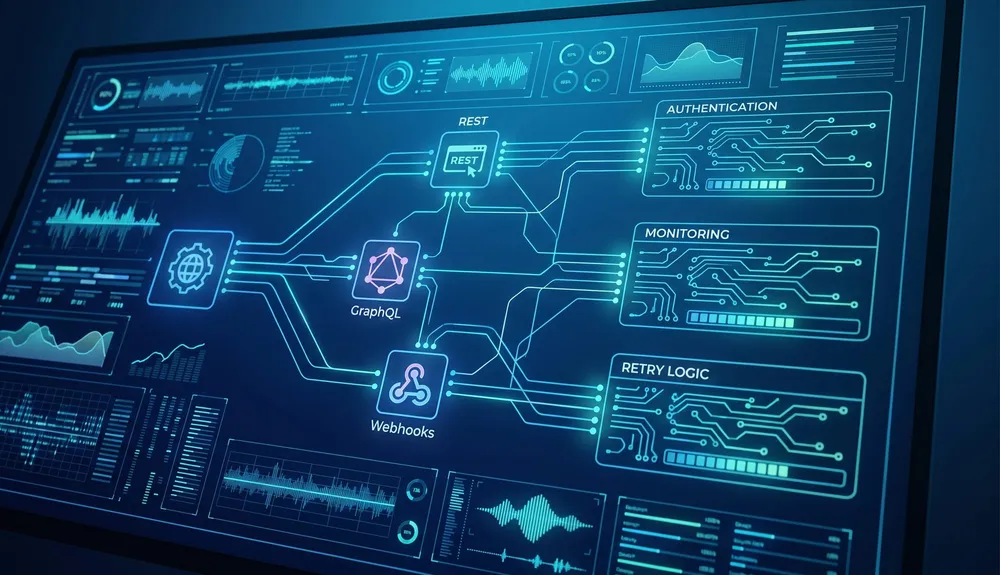
API integration retry policy architecture showing backoff jitter idempotency circuit breaker and monitoring

API Integration Retry Policies and Strategies

A comprehensive guide to API integration retry policies, exponential backoff, jitter, idempotency, circuit breakers, observability and sample code.
Software architecture diagram comparing vertical slices with onion architecture layers and domain boundaries

Vertical Slice Architecture vs Onion Architecture

Compare vertical slice architecture vs onion architecture, including use cases, trade-offs, testing, team fit and migration advice for modern software teams.
Affordable small business website design with Umbraco showing budget scope CMS editing SEO hosting and maintenance

Affordable Website Design for Small Business With Umbraco

Plan affordable small business website design with Umbraco, covering scope, templates, CMS setup, hosting, SEO, security, maintenance and upgrade costs.

Enterprise CRM integration architecture connecting sales marketing service ERP website and reporting systems

Different Enterprise CRM Options and CRM Integration Services

Compare enterprise CRM platforms and CRM integration services for Salesforce, Dynamics 365, HubSpot, Zoho, Oracle and SAP in Australian businesses.
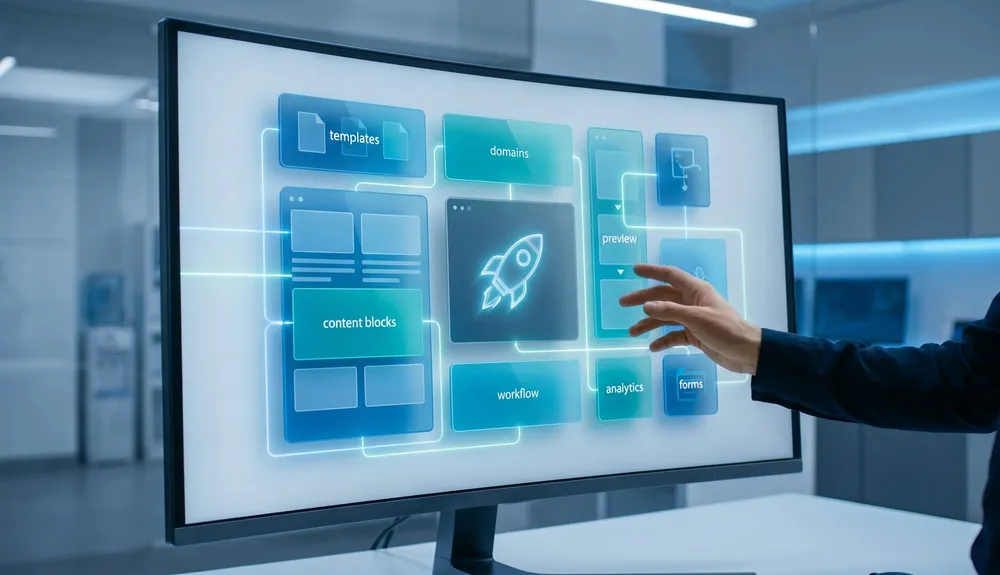
Umbraco microsite launch model showing root node templates hostnames publishing forms redirects and analytics

How to Create a Microsite in Umbraco

Learn how to create a microsite in Umbraco using root nodes, document types, templates, hostnames, forms, permissions, redirects and launch controls.